|
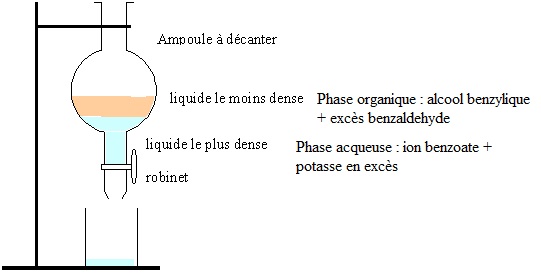
Synthèse de Cannizzaro, bac Métropole 2021. En poursuivant votre navigation sur ce site, vous acceptez l’utilisation de Cookies vous proposant des publicités adaptées à vos centres d’intérêts. ..
..
Jim Harrison’s novella and its subsequent film adaptation, Legends of the Fall , function as a modern American epic, tracing the Ludlow family’s dissolution against the backdrop of the early 20th century. At its core, the story explores the tension between civilization and the "wild" spirit, suggesting that those who live most passionately are often the ones most destined for tragedy. The narrative centers on Tristan Ludlow, a character who embodies the "animal" within the human soul. Unlike his brothers—the idealistic Samuel and the pragmatic Alfred—Tristan is tethered to the primal world, mentored by the Cree elder One Stab. His journey is defined by "the voice" he hears within, a metaphorical hunger for the absolute freedom of the wilderness. This wildness is both his greatest strength and his curse; it makes him magnetic, yet it prevents him from conforming to the domestic expectations of society. subtitle Legends of the Fall As the story progresses, the conflict shifts from internal demons to external forces. Alfred represents the path of the "civilized" man, rising to political power and embracing the rule of law. Tristan, conversely, remains a creature of blood and instinct, eventually clashing with the corruption of Prohibition-era authorities. The climax of the story reinforces a harsh truth: while Alfred achieves success in the eyes of the world, he remains an outsider to his own family’s mythos. Tristan remains the heart of the legend because he refuses to compromise his nature, even at the cost of peace. Jim Harrison’s novella and its subsequent film adaptation,
|
||||||||
|
|
||||||||