Norton’s Theorem does not exist in a vacuum; it is the "dual" of Thévenin’s Theorem . While Thévenin represents a circuit as a voltage source in series with a resistor, Norton uses a current source in parallel. This relationship is not merely academic; it allows for "source transformation," enabling engineers to toggle between models depending on whether they are analyzing voltage-sensitive or current-sensitive components. However, it is important to note that these theorems are strictly limited to linear circuits—those where components like resistors and capacitors maintain a constant relationship between voltage and current.
If your interest lies elsewhere, here are brief summaries of other "Norton" subjects: nortan
Norton’s Theorem serves as a fundamental pillar of circuit theory by proving that even the most daunting electrical networks can be understood through a lens of simplicity. By reducing a forest of components to a single source and resistor, it empowers engineers to focus on the performance and reliability of their designs. As technology scales in complexity, these foundational methods of simplification remain the most effective ways to ensure precision in the digital age. Alternative "Norton" Topics Norton’s Theorem does not exist in a vacuum;
What can Our Online Google Drive File Downloader Do?
Direct Download Google Drive Files.
Skip Google Drive Virus Scan Warning
Bypass Drive Web View.
Direct Download Large Google Drive Files
Google Drive Video Downloader
Download Large PDFs, Audio Files, Images, and Other Media Files.
Steps to Create Google Drive Sharing URL
Look for the file you want to download.
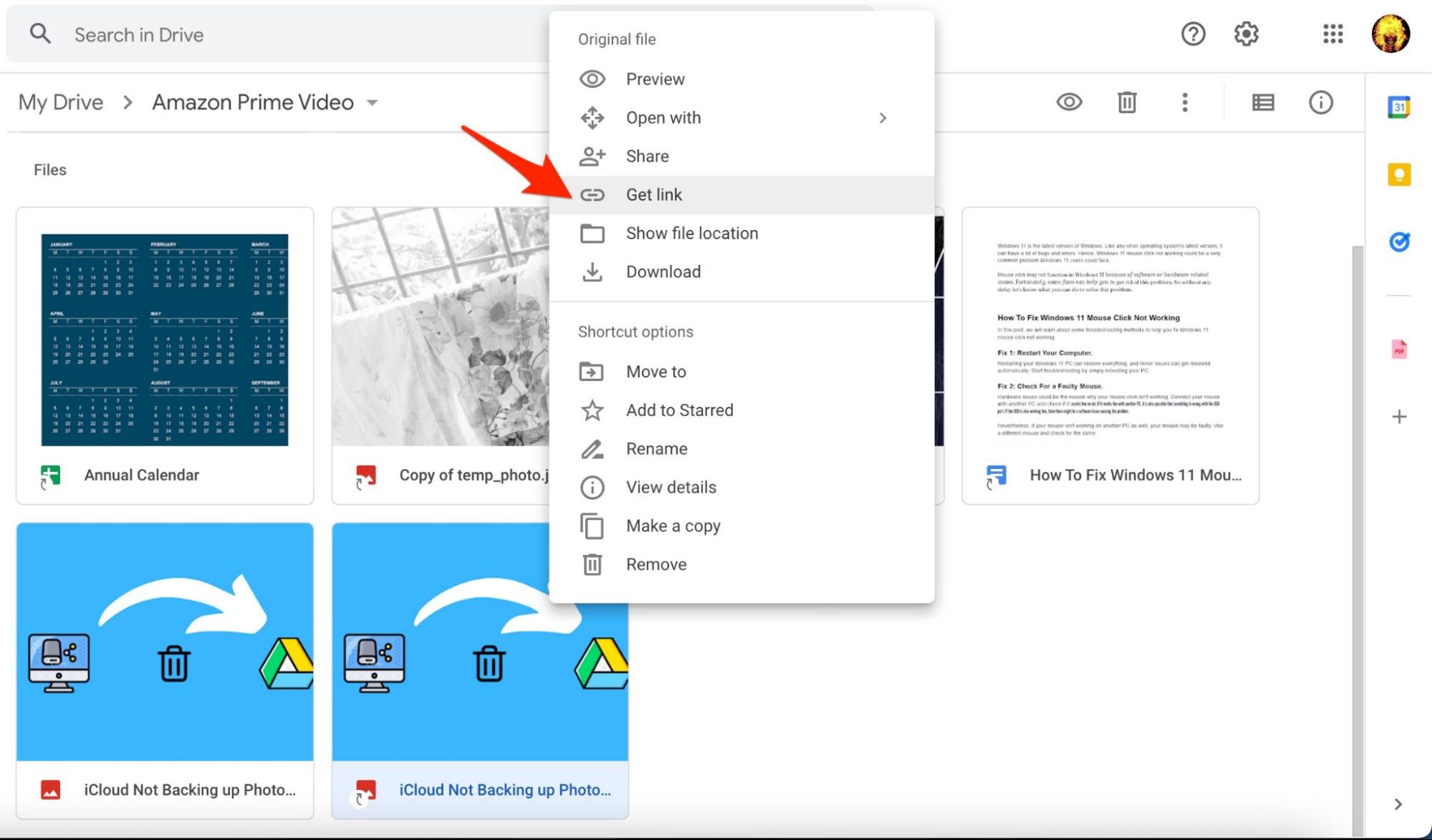
Right-click on the file and click on the GET LINK.
If the file is restricted, change it to Anyone with the Link.
Copy the URL. Ta-da! You get your Drive Sharing URL.
Things to Know
You cannot download Google Docs, files containing viruses, and Google Drive
folders.
Cannot download "Download Restricted or View only Files" files. Read here to know more.