Main(1).cpp
WAXP can quickly export all contacts from your groups to a CSV file.
Get WAXP for Chrome(10,000+ Downloads)
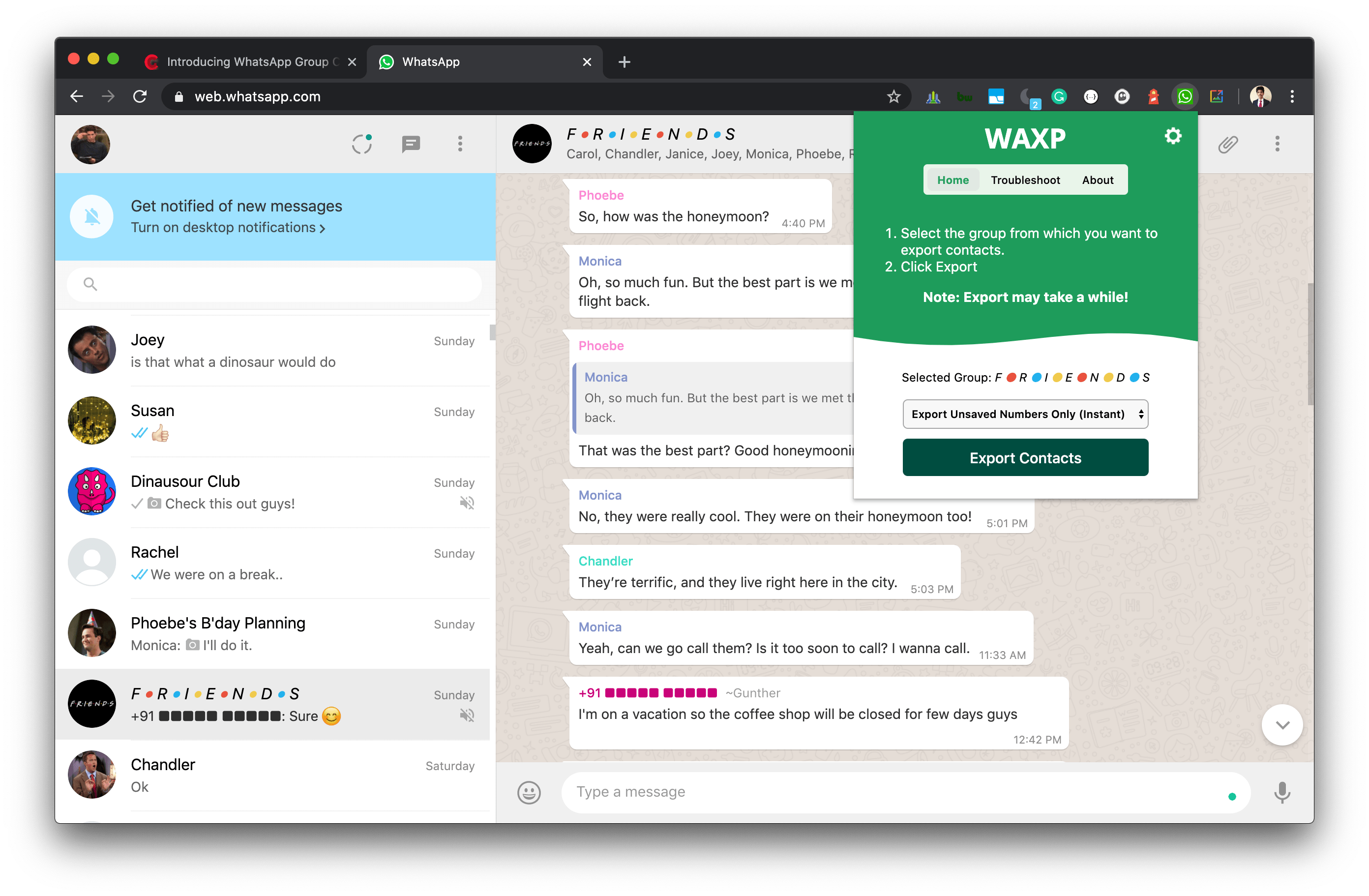
WAXP can quickly export all contacts from your groups to a CSV file.
Get WAXP for Chrome(10,000+ Downloads)
— Marlon Mesa
— Anderson Prado
— Don Lucero
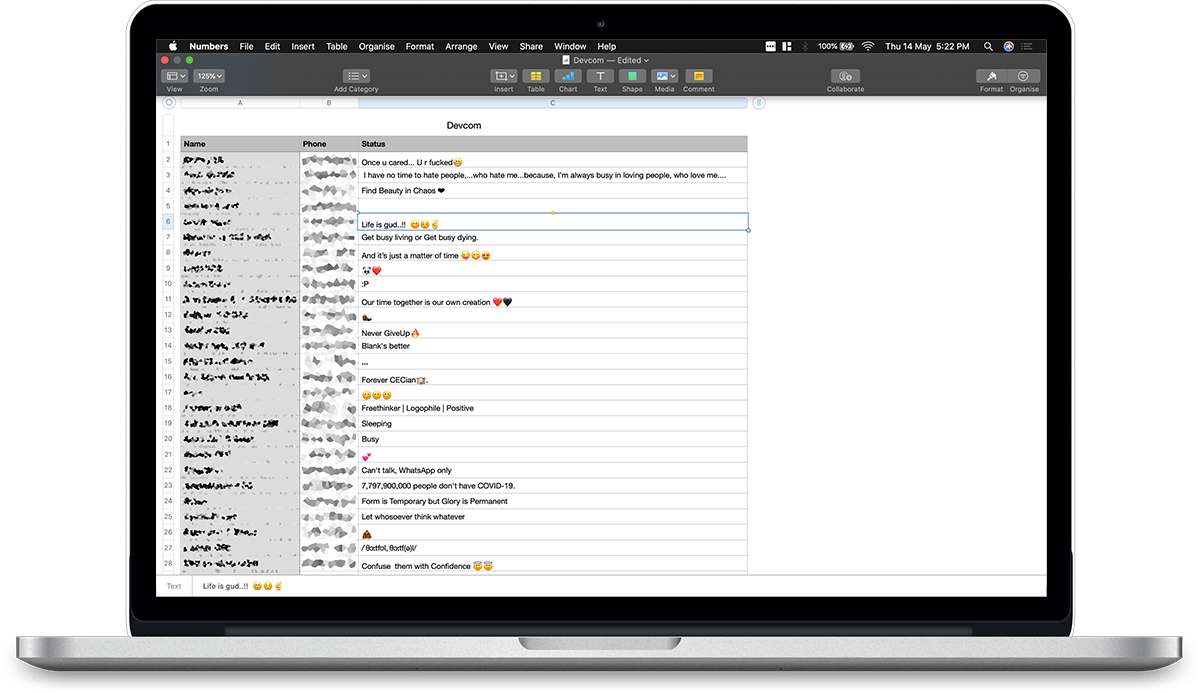
WhatsApp Contacts Exporter by Codegena can export contacts from Chatlist, Groups and Labels.

main(1).cpp is a digital artifact—a snapshot of a moment in a programmer's workflow. It represents the starting point of logic and the functional "heart" of an application, wrapped in the accidental naming conventions of a modern operating system. For a developer, seeing that (1) is often the first cue to clean up the workspace and move toward a more organized coding environment.
Regardless of the number in the filename, the core of the file is the main() function. This is the of every C++ program. When you execute a compiled program, the operating system looks specifically for this function to begin running instructions.
The compiler translates the human-readable C++ code into machine code—binary instructions that the computer's CPU can actually execute. Best Practices main(1).cpp
Avoiding confusion when multiple developers are working on the same codebase.
Build tools and scripts often look for specific filenames; a stray (1) can break an automated pipeline. Conclusion main(1)
To turn main(1).cpp into a running program, it must pass through a compiler (like GCC or Clang). The compiler doesn’t care about the "(1)" in the name, as long as the syntax inside the file is correct. A developer would compile it using a command like: g++ main(1).cpp -o my_program
In a programming context, this often happens when a student or developer downloads multiple versions of a starter template, or when a file is recovered from a backup. While it functions perfectly well, it serves as a subtle reminder of the importance of like Git, which manage changes without creating duplicate, numbered files. The Role of the main Function Regardless of the number in the filename, the
While main(1).cpp will compile and run, it is considered poor practice to keep such names in a professional project. Meaningful file naming helps with:
main(1).cpp is a digital artifact—a snapshot of a moment in a programmer's workflow. It represents the starting point of logic and the functional "heart" of an application, wrapped in the accidental naming conventions of a modern operating system. For a developer, seeing that (1) is often the first cue to clean up the workspace and move toward a more organized coding environment.
Regardless of the number in the filename, the core of the file is the main() function. This is the of every C++ program. When you execute a compiled program, the operating system looks specifically for this function to begin running instructions.
The compiler translates the human-readable C++ code into machine code—binary instructions that the computer's CPU can actually execute. Best Practices
Avoiding confusion when multiple developers are working on the same codebase.
Build tools and scripts often look for specific filenames; a stray (1) can break an automated pipeline. Conclusion
To turn main(1).cpp into a running program, it must pass through a compiler (like GCC or Clang). The compiler doesn’t care about the "(1)" in the name, as long as the syntax inside the file is correct. A developer would compile it using a command like: g++ main(1).cpp -o my_program
In a programming context, this often happens when a student or developer downloads multiple versions of a starter template, or when a file is recovered from a backup. While it functions perfectly well, it serves as a subtle reminder of the importance of like Git, which manage changes without creating duplicate, numbered files. The Role of the main Function
While main(1).cpp will compile and run, it is considered poor practice to keep such names in a professional project. Meaningful file naming helps with: